

8 ways for your toddler to (safely) play with small objects
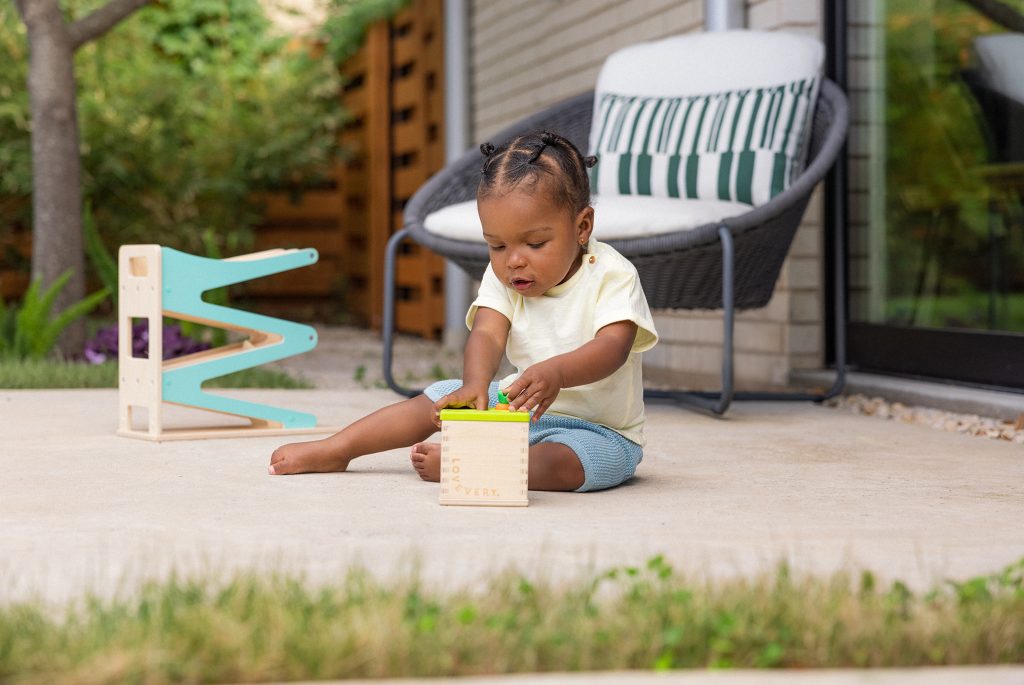
Toddlers are often fascinated by tiny things—a little bug on the sidewalk, the zipper pull on your jacket, or even a piece of lint on the floor. This interest is a natural aspect of their development 🙂
According to the Montessori early learning philosophy, the sensitive period for small objects occurs between 1 and 3 years. During this stage, young children are tuned into minute details that adults often overlook. Holding and examining small toys allows your toddler to take in and categorize new information as well as practice fine motor skills.
Of course, the challenge is how to keep them safe as they explore. Try these ideas to help your toddler play safely with miniature things at home or on the go.
Safety note: Always keep a close eye on your toddler during these activities to make sure they don’t put any objects in their mouth, nose, or eyes. Small items can be choking hazards. Put them safely away when play is done.
Here are some ways for your toddler to play safely with small objects:
1. Grab bag
Fill the Felt Burrow from The Babbler Play Kit with an assortment of interesting objects, like the coins, carrots, and trees from the Wooden Coin Bank Set. Encourage your toddler to reach inside to pull out the treasures. Your child strengthens their fine motor skills as they maneuver their hand and wrist to pull objects through the opening.
2. Push play
Cut holes in the lid of an empty oatmeal canister or any similar container. Pull out your child’s small baby spoons and show them how to push each spoon through the hole in the lid. This activity helps your toddler practice hand-eye coordination as they orient the spoon to fit through the hole. If your toddler loves putting coins into the Wooden Coin Bank, this activity helps them practice a similar pushing motion.
3. Toy rescue
Using painter’s tape, adhere small animal figures or blocks from The Block Set to a baking sheet or piece of cardboard. Encourage your toddler to discover how to remove the tape to “rescue” the toy. Your toddler uses the tiny muscles of their fingers to pry off the tape—an excellent fine motor challenge.
4. Treasure box
Many toddlers love storing their small objects in a “treasure box” with a lid they can open and close. Use an empty wipes container as a place for your child to store and play with smaller toys. Fill it with any toddler-safe items, like the rings from the Flexible Wooden Stacker or bunnies from the Felt Burrow. Your toddler will likely enjoy dumping out all the toys and returning them to the box.
5. Felt pockets
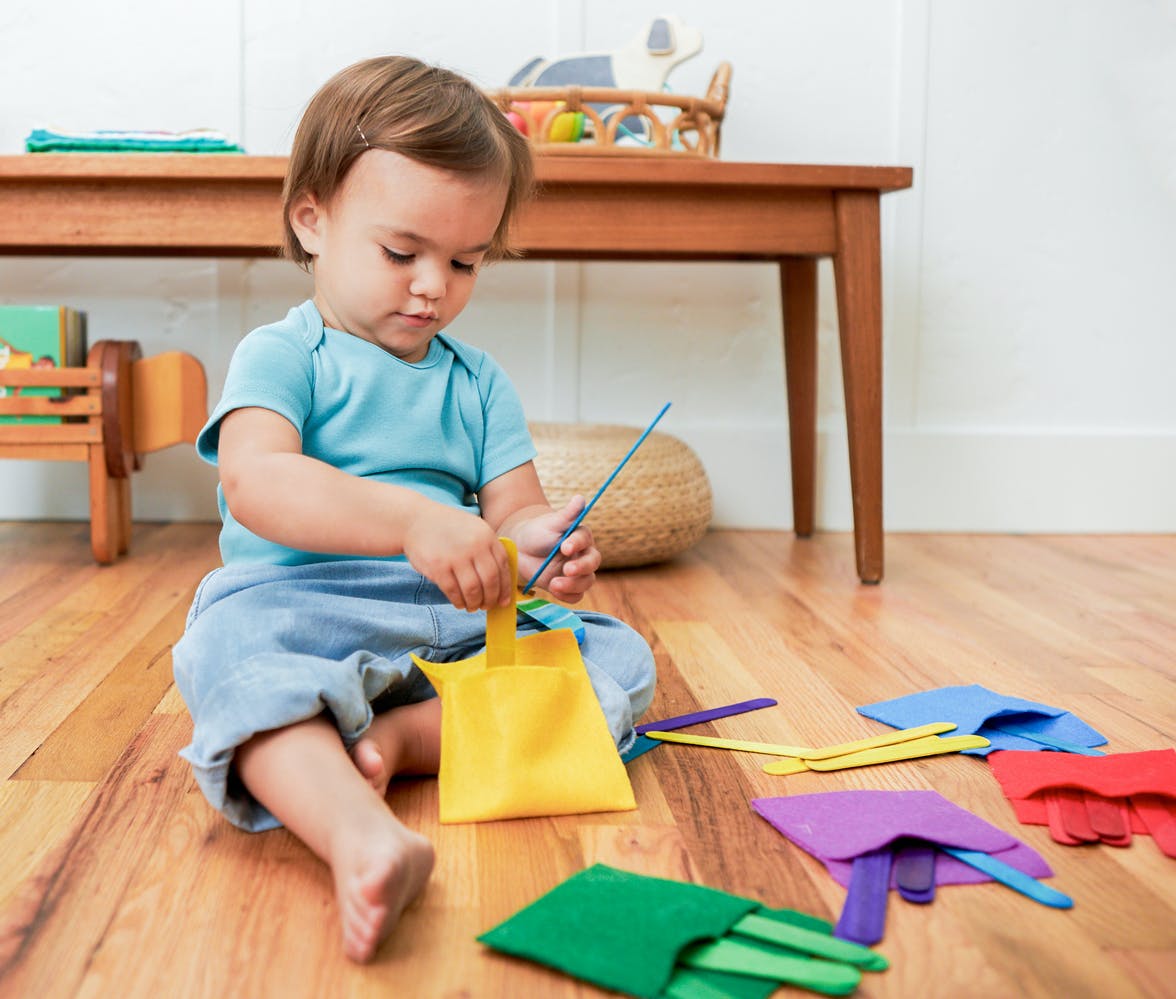
Make simple felt pockets by using fabric glue to adhere the edges of two square pieces of felt or any colourful fabric. Lay out a few small objects that fit inside the pockets, like the rings from the Flexible Wooden Stacker or the trees from the Wooden Coin Bank. Show your toddler how they can fit these objects into the pockets. This may be a bit of a challenge at first, but it’s a fun way for your toddler to practice the enveloping play schema.
6. Small item scoop
Combine your toddler’s love of small objects with an opportunity to practice scooping. Fill a muffin tin with O-shaped cereal and add assorted small measuring cups, scoops, or spoons. Invite your toddler to scoop and pour the cereal between the muffin cups or into piles.
7. Pincer puzzle hide-and-seek
Hide one piece of O-cereal under the top of the First Puzzle from The Inspector Play Kit—or any puzzle piece that fits into a base. Encourage your toddler to remove the top to find the surprise hidden beneath.
8. Key ring fun
If your toddler is fascinated with small objects, it might be time to bring out the Stainless Steel Jingle Keys from The Explorer Play Kit once again. With their improved fine motor skills, they may enjoy manipulating the keys. Try making fun sounds as your toddler moves the keys around the ring: “Zoom! Swish! Clink!” Speech and language experts encourage these types of sounds since they catch a child’s attention and are fun to imitate.
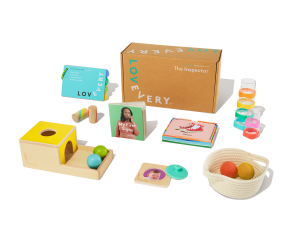
The Inspector Play Kit
The Inspector Play Kit exposes your 7 – 8 month old to the world with detailed sensory experiences by exploring texture, practising nesting and stacking, and learning about object permanence.

The Explorer Play Kit
The Explorer Play Kit engages your 9-10 month old baby’s senses as they explore object permanence, shape changing, feelings, and basic concepts which help build their coordination and concentration.

Posted in: 13 - 15 Months, Crafts, Fine Motor, Matching, Playtime & Activities, Sorting, weekly-series, Child Development
Keep reading
11 - 12 Months
13 - 15 Months
16 - 18 Months
9 - 10 Months
The surprising ways bathtime builds your child’s brain
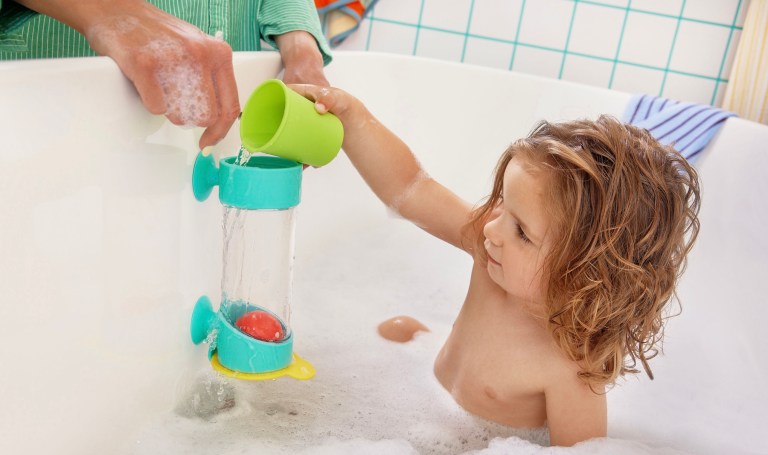
When it’s just you and your child, face to face, bathtime becomes a natural opportunity to connect, play, and develop your baby’s brain. And The Bath Set includes thoughtfully designed tools for building new language, cognitive, and fine motor skills.

13 - 15 Months
16 - 18 Months
19 - 21 Months
22 - 24 Months
5 co-regulation tips to help your toddler manage their feelings
When your toddler is upset, it can be hard to know what to do ❤️ During the newborn stage, you helped your baby calm down by holding them, rocking them, and taking deep breaths. Now the process is getting more complicated. Your child’s emotions become more complex as they get older. Sometimes they don’t want … Continued

13 - 15 Months
16 - 18 Months
19 - 21 Months
22 - 24 Months
Wish your toddler would focus? Try playing together first
When you read a book or practise stacking blocks with your toddler, you do more than bond with them. You also help increase their attention span ❤️ Two related studies published in 2019 and 2022 found that when parents and their toddlers focused on a toy together, the toddlers paid attention a little longer and … Continued