

First, next, then—giving your toddler comfort and structure

We all have certain well-established ways of doing things—taking a shower, getting ready in the morning, preparing a snack, or getting ready for bed. This patterning of behaviour allows us adults to complete tasks more efficiently while leaving our conscious minds free to think about other more interesting and important things.
For toddlers, routines provide comfort, structure, and a way to predict (and prepare for) what’s going to happen next. Routines also promote understanding of order and sequence, the building blocks of more advanced thought processes like reasoning, judgment, and anticipation. Later on, when your child is in school, routines will be even more critical, as kids learn to coexist together in a community.

Think about bath time, for example, as a sequence made up of a lot of little steps that you usually do in order. Have your toddler help get their pyjamas from their room, get their towel ready, help turn the knobs to start the water (with your help to make sure it’s not too hot or too cold), and pump the bath soap. You can narrate as you go: “Now you can get a fresh towel out of the drawer. I see you pulling open the drawer. Next you take the towel out. Now it’s time to close the drawer.”
In addition to their usual bedtime and morning routines, your toddler’s day includes all sorts of predictable sequences: “We are going (somewhere) in the car. First, you put on your shoes, then you get into the car seat, you try the buckle, then I will make sure it is snug.” You can name where you are in the sequence as you go along: “Look, your shoes are on. Now let’s get into the car seat…”
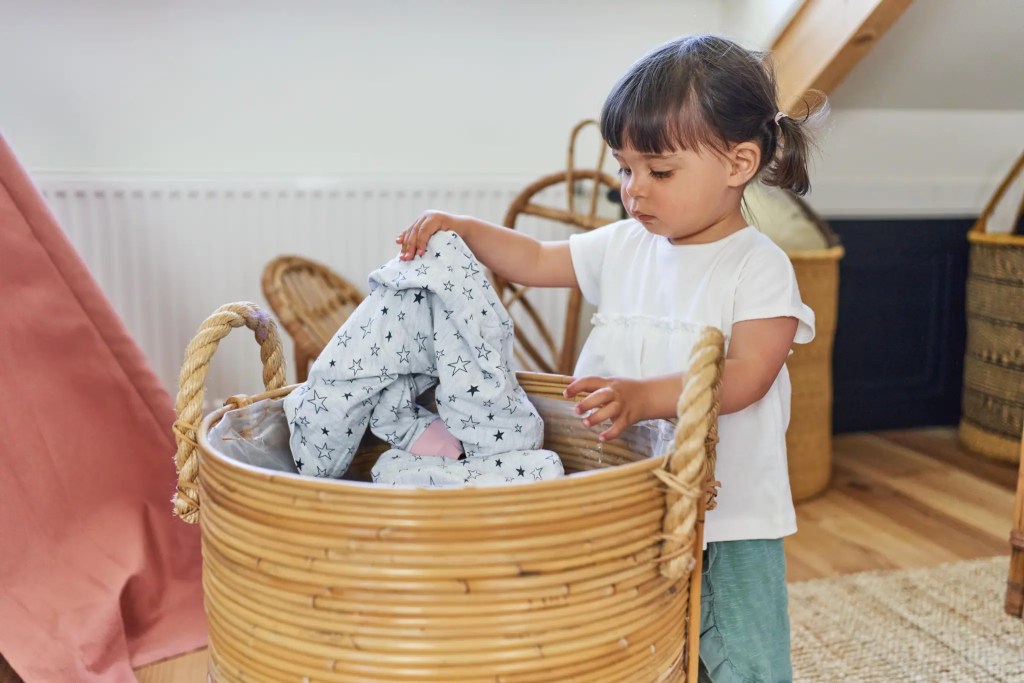
Introducing some light household tasks to your toddler, like taking folded clothes to their drawer or putting books back on their shelf, also helps them understand the order and sequence for how things get done.

Posted in: 16 - 18 Months, Communication, Executive Function, House Tours, Math, Routine, weekly-series, Child Development
Keep reading
11 - 12 Months
13 - 15 Months
16 - 18 Months
9 - 10 Months
The surprising ways bathtime builds your child’s brain
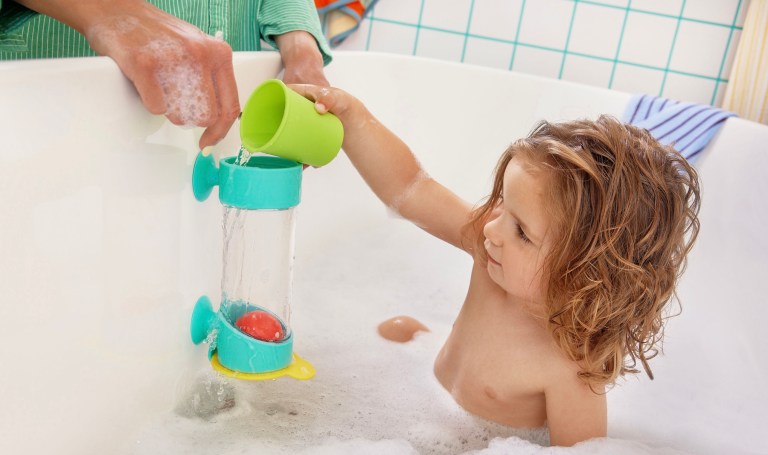
When it’s just you and your child, face to face, bathtime becomes a natural opportunity to connect, play, and develop your baby’s brain. And The Bath Set includes thoughtfully designed tools for building new language, cognitive, and fine motor skills.

16 - 18 Months
Introducing 3 new playthings to The Adventurer Play Kit for months 16, 17, 18+
The Adventurer Play Kit has three new playthings to keep your toddler engaged and challenged through play.

13 - 15 Months
16 - 18 Months
19 - 21 Months
22 - 24 Months
5 co-regulation tips to help your toddler manage their feelings
When your toddler is upset, it can be hard to know what to do ❤️ During the newborn stage, you helped your baby calm down by holding them, rocking them, and taking deep breaths. Now the process is getting more complicated. Your child’s emotions become more complex as they get older. Sometimes they don’t want … Continued