

Why fewer choices help your child establish independence
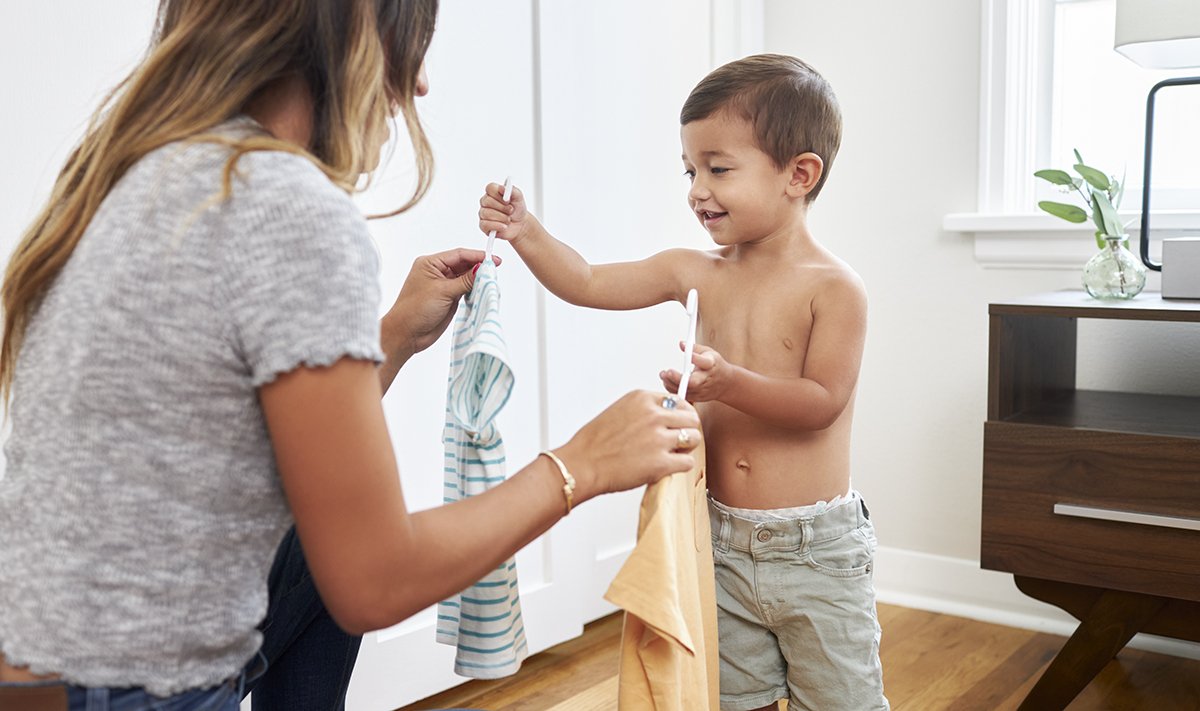
Though it may feel counterintuitive, the way to help ease your child into increasing independence is actually to narrow their choices. The world is very large to them, and when they don’t know what to pick from, they can easily get overwhelmed.
Psychologists recommend giving your child only two choices at a time—three at the very most—when they want to make decisions*: “Kids want and expect their parents to provide structure and make key family decisions. It helps them feel safe. While it’s great to give kids a say in things, too many choices—or too big—can overwhelm them or put too much pressure on them.”
Here are some everyday opportunities to give your two-year-old limited choices, along with suggestions for language you can use:
Getting dressed
“Do you want your striped shirt or your orange shirt?” If they choose a third option (like their polka dot dress), they’ve still participated in the overall goal, which is getting dressed. If they pick something that doesn’t work for whatever reason (like a swimsuit in July), try to honor their choice while finding a compromise. For example, maybe they can wear the swimsuit under their shirt and pants, or you find a special place to leave it so they can put it on once you get back home.
The park and other fun places
Leaving a fun environment—a park, a party, or anything else they’re deeply engrossed in—can be really tough for small children. Their understanding of time is vague, but offering your child a two-minute notice (or five, or any consistent number under ten) helps them understand that they will be leaving soon.
- “We are leaving in two minutes. Do you want to go down the slide once more, or have one more turn on the swing?”
- “It’s time to put on your shoes. Should I put them on for you, or do you want to try first?”
Cleaning up
Between 24 and 30 months, many children start to put things away on their own, and may also want to help with other aspects of cleaning. This “cleaning up” can look disorganized and haphazard, but the routine is the goal, not perfect cleanliness. If they resist cleaning up, giving them a choice between two small tasks can actually increase the chances they help out 🙂
- “Would you like to put away the blocks, or put away the books?”
- “Do you want to sweep with your broom, or spray and squeegee the glass?
Bedtime routine

Even a well-established bedtime ritual can include some choices for your child, as long as there aren’t too many and the choices don’t deviate too much from the goal of getting (calmly) to bed. Routine Cards feature clear, precise photos of common elements of routines around the home. You can tape them up on the wall—or simply hold them up—and use them to point to when offering your child choices.
- “Do you want to start brushing your teeth, or finish?”
- “We are going to read one book tonight. Here are two you can choose from: which one would you like?” If they insist on both, try to be consistent. If you always give in and read both, your child may soon expect two books every night; they crave consistency and are often thrown off when things change.
- Offering choices can be a great strategy when your child is delaying parts of your routine. If they’re playing when it’s time to get into their crib or bed, you can say “do you want to hop to bed, or would you like me to carry you?”
Snacks
Many children at this age love to be involved in food preparation. This can be challenging when you’re in a hurry, but there are some simple ways to give your child some choices.
- “Do you want to peel this banana, or break it into pieces?” In the kitchen, there are times when your child can elect both choices, and that’s okay too.
- “Would you like apple slices or orange slices for your snack?”
- “Would you like to eat your snack at the counter, or at the table?”
*from Dr. Erin Leyba LCSW, Ph.D. at Psychology Today
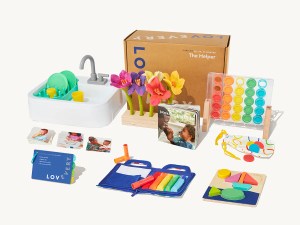
The Helper Play Kit
The Helper Play Kit was designed, tested, and perfected so you and your family can explore counting, separating, understanding routines, planning ahead, rhyming, building spatial awareness, and more.

The Play Kits
The Play Kits by Lovevery are thoroughly tested, baby safe, eco-friendly and Montessori inspired. Give your child the best start with our stage-based play toy subscription boxes.

Posted in: 28 - 30 Months, Executive Function, Identity, Independence, weekly-series, Child Development
Keep reading
2-year-old
28 - 30 Months
31 - 33 Months
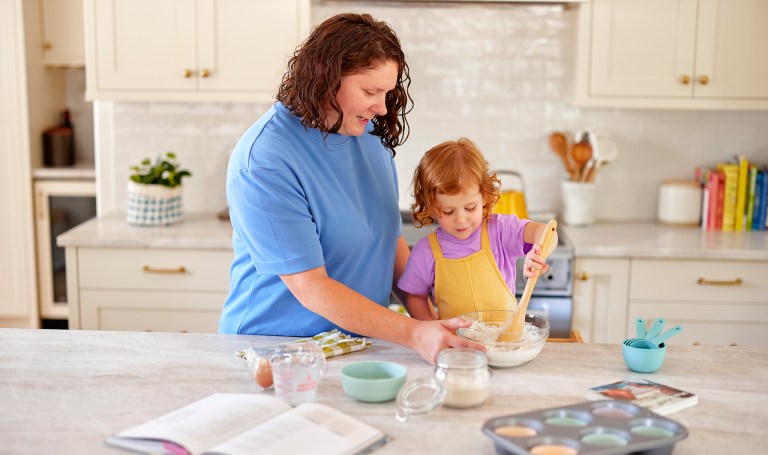
Our top tips for getting your 2-year-old involved in the kitchen
You may not have the patience for toddler help in the kitchen every day—and that’s okay ❤️ Even occasional cooking projects can get them excited to eat new foods, teach them to follow directions, and encourage them to be helpful.

2-year-old
25 - 27 Months
28 - 30 Months
How music can help your child develop impulse control
Musical play can help children practice turn-taking and following directions.

25 - 27 Months
28 - 30 Months
31 - 33 Months
34 - 36 Months
Is your 2-year-old ready for logical consequences?
If your child throws rocks at the playground, what should you do? One option is to clearly say, “Those rocks can hurt someone. Let’s find something else to throw.” This is known as a logical consequence—an outcome caused by a child’s behavior but determined by an adult. At this age, logical consequences are about helping … Continued