

Planning ahead: a key skill your 3-year-old is developing now
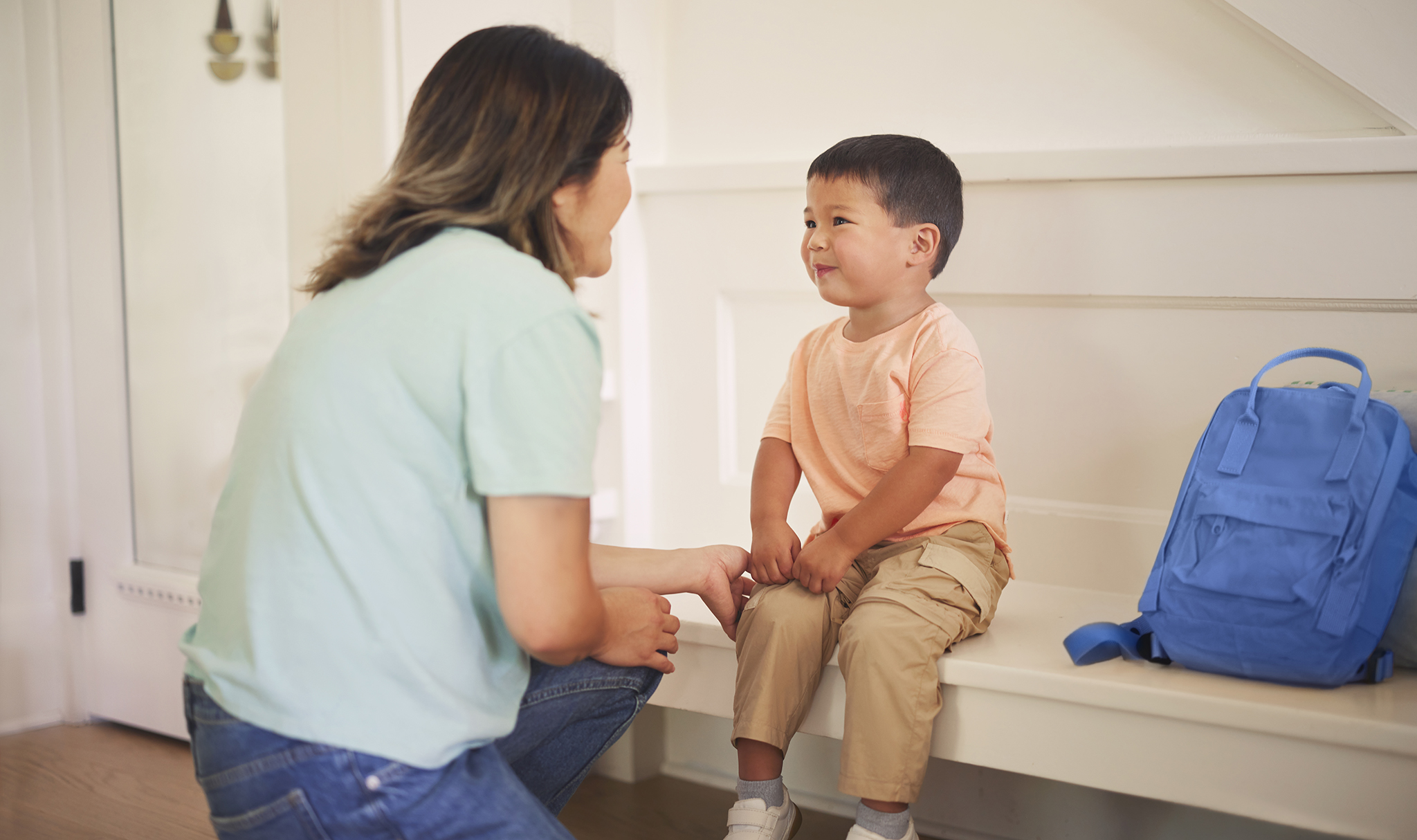
If your child notices it’s raining and tells you they need an umbrella, they’re showing a small sign of a big cognitive skill that emerges during the 3-year-old year—thinking ahead. Over time, this skill can help your child become more independent, solve problems, and anticipate the needs of others. Like many other things, it develops gradually and takes practise. Here’s how to get started:
4 tips to help your child learn to think ahead
1. Make a plan together. Say, “We’re going to the park. What should we bring with us?” Your child may come up with snacks and a toy on their own—though they may have a list of irrelevant things as well 😉 Build on your child’s list and then work together to find everything you need.
As your child’s planning skills grow, you can add a little more complexity by talking about the weather: “It looks hot and sunny outside. What do we need to wear?” The Plan Ahead Weather Board—featured in The Observer Play Kit—helps your 3-year-old think about what the day will bring and what they’ll need to be prepared.
2. Focus on familiar routines. Research shows at around age 3, children form memories of past experiences but don’t hold onto them for long. For example, if your child hasn’t been swimming in several months, they may not remember they need to bring a swimsuit and towel to the pool. Instead, engage them in planning for events that occur often—like, washing hands and getting out a plate for dinner.
3. Try “chunking” tasks. Does your child have trouble remembering all the separate pieces of clothing they need to play outside? At this age, children often find it difficult to complete tasks that involve more than two steps. You can support their learning by “chunking” tasks together to make a longer sequence into two instructions: “First, put on your inside clothes,” for example, socks, shirt, and pants. “Then, your outside clothes,” like, their shoes and a coat.
4. Map out new or challenging experiences. If your child is struggling with a transition time—like getting ready for bed—it can help to give them a visual roadmap of steps. Lay out some of the Let’s Map It Out Routine Cards: “Take a bath,” “Brush teeth,” “Put on pyjamas,” “Read a book,” and “Go to sleep.” Then ask your child to take ownership of the process: “You just brushed your teeth! What comes next?” You can also do this to help them prepare for new experiences, like starting preschool. Lay out cards like: “Comb hair,” “Get dressed,” “Pack a bag,” and “Have fun.” ❤️
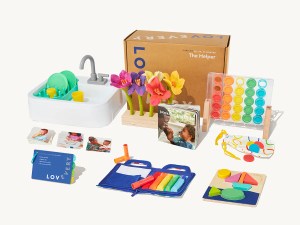
The Helper Play Kit
The Helper Play Kit was designed, tested, and perfected so you and your family can explore counting, separating, understanding routines, planning ahead, rhyming, building spatial awareness, and more.
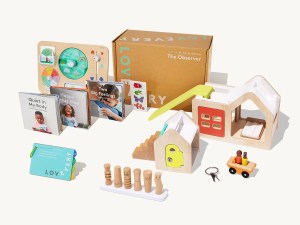
The Observer Play Kit
Welcome your new three-year-old to the “Year of the Self” as they take ownership of their routines, build emotional intelligence, and make sense of their world through open-ended play.
Learn more about the research
Atance, C. M. (2008). Future thinking in young children. Current Directions in Psychological Science, 17(4), 295-298.
Scarf, D., Gross, J., Colombo, M. and Hayne, H. (2013). To have and to hold: Episodic memory in 3- and 4-year-old children. Developmental Psychobiology, 55: 125-132.

Keep reading
3-year-old
4-year-old
Why experts recommend phonics to teach reading
Phonics is an essential part of an evidence-based approach to reading instruction. Learn more about phonics and why it matters.

3-year-old
4-year-old
3 ways you may already be helping your child learn to read – and what to try next
Reading books, singing songs, and reciting the alphabet are all important practices you may already be doing. Try these simple ways to broaden and deepen their early reading experiences.
3-year-old
4-year-old
My child just lied—what should I do?
Research shows 90% of children have lied by age 4. Here are 3 tips to encourage honesty in your preschooler.