

Why experts recommend phonics to teach reading
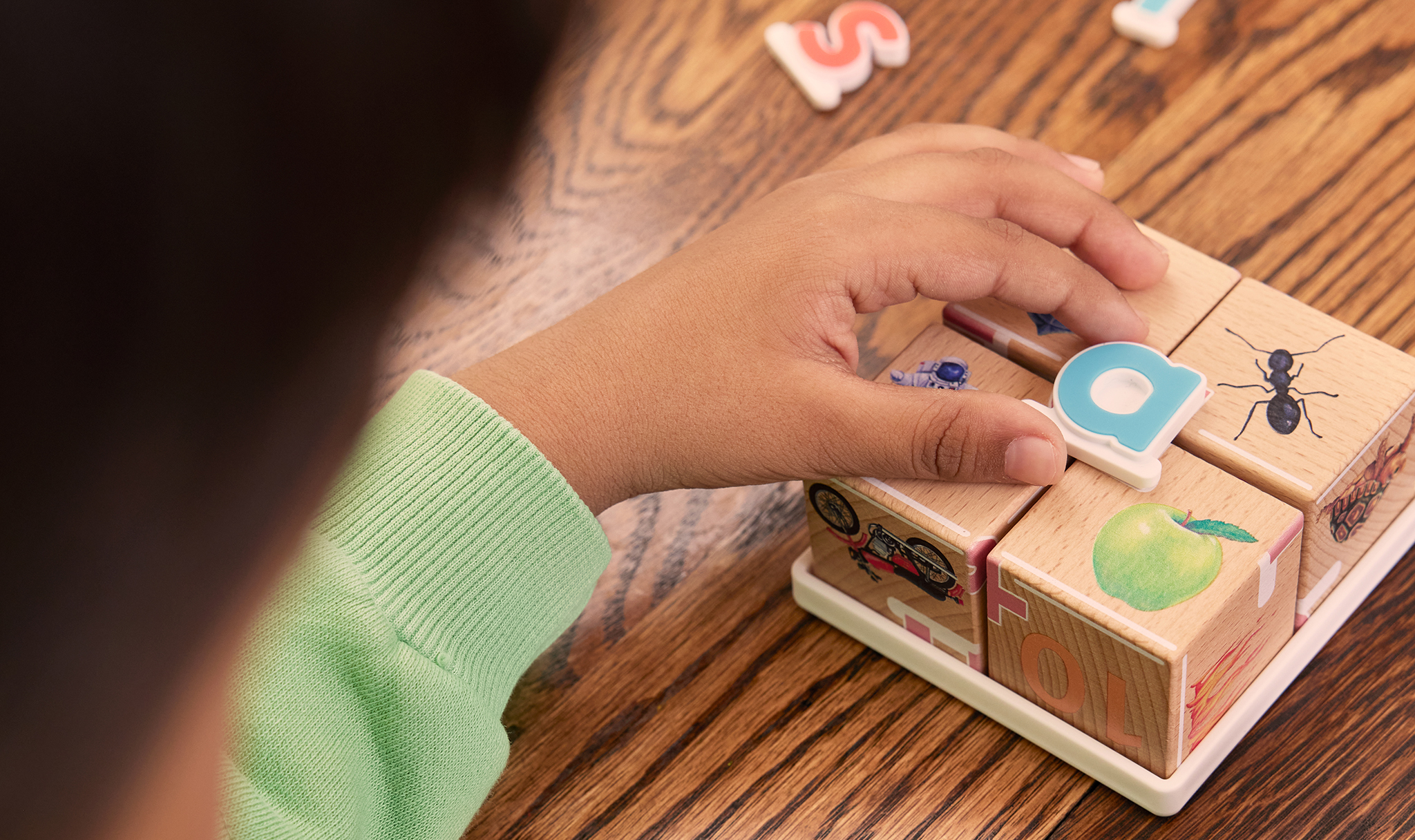
Phonics has been around for a long time. In fact, the idea that reading can be taught by connecting letters to their sounds dates back to the 1600s. Throughout the 19th century and well into the 20th, phonics was the standard method for teaching most children in the United States to read.
Decades of research have shown that phonics is a vital part of an evidence-based approach to reading instruction.
What is phonics?
A phonics approach helps children learn how to link each written letter to its corresponding sound. For example, the letter ‘b’ makes a /b/ sound, like at the beginning of the word ball.
This helps early readers crack the “code” of the English language. Instead of memorising thousands of individual words, your child sounds out – or decodes – words they’ve never seen before. With practice, they’ll use phonics skills to quickly decode new words and instantly recognise familiar ones. This supports comprehension, too: when children don’t have to work as hard to read each word, it’s easier to focus on the meaning of the text.
An analysis of hundreds of studies by the U.S. National Reading Panel found that children receiving phonics instruction had stronger decoding skills – including the ability to read and pronounce irregularly spelled words. Systematic phonics instruction is also linked to improved reading comprehension, especially in Reception and Year 1.

Phonics activities to support your child’s literacy skills
To become a fluent reader, your child needs to be able to blend individual sounds into words or parts of words. This decoding takes a lot of practice ♥️
Learning to read doesn’t happen overnight. Take regular breaks as you practise phonics with your child. They might need just a few minutes – or even a few days – between sessions. Celebrate the small milestones, like sounding out their first word or telling a story using a wordless picture book. These moments are meaningful steps on the path to confident reading.
One of the best ways to support your child’s phonics learning is through fun and practical activities at home. Here are a few suggestions:
Focus on the sound each letter makes – not just its name
As your child learns to read, it’s important to emphasise the sound a letter represents, which isn’t always the same as its name. To understand what they’re reading, children need lots of practice recognising both uppercase and lowercase letters – and knowing the sounds they make.
The ABCs with Mr. Z from The Reading Skill Set is both a story and a phonics scavenger hunt. Each child in Mr. Z’s class gets five letters, and they must find as many objects as they can that begin with each letter’s most common sound. Then, they share what they’ve found with the rest of the class. After each page, you and your child can search together for illustrations that start with the same sound. A list at the back of the book helps you check your answers 😉
Help your child blend sounds together
Once your child is comfortable pronouncing individual letter sounds, they can start blending them to read or spell full words. This skill – called blending – helps children read longer words with more fluency. They’ll often start by joining a consonant with a vowel. The first complete words they read are usually CVC words (consonant–vowel–consonant), such as cat or dog.
A consonant blend is a pair of consonants without a vowel in between, such as the cl in click or the gr in grass. These can be tricky, but practising blends helps your child notice patterns in spelling. This prepares them to read a wider variety of words. Crossword Builder and Wooden Sound Tiles from Part 2 of The Reading Skill Set offer a fun way to practise decoding longer and more complex words. Crossword Builder includes six trays and a booklet of 15 puzzles that increase in difficulty.

Show your child how to break down longer words
Many long words are made up of smaller parts your child can sound out. This makes them feel more approachable and can also help with understanding their meaning. Take the word unstoppable, for example: un- means “not,” stop is the root word, and -able means “capable of.” When your child reads each segment – first one by one and later fluently all together – they can decode and comprehend the full word: “not able to be stopped.”
Prefix and Suffix Story Fix, from Part 3 of The Reading Skill Set, is a collaborative game with no winners or losers. Your child adds root words to complete silly sentences, which they can read aloud as short stories, riddles, or pretend conversations. To make the funniest sentences possible – a great motivator! – encourage your child to place the root word magnets before reading the sentence cards.


Keep reading

4 - 11 years
4-year-old
New research shows The Reading Skill Set boosts children’s confidence and reading progress
Lovevery's phonics-based program helps children learn to read through play.
3-year-old
4-year-old
Why experts recommend phonics to teach reading
Phonics is an essential part of an evidence-based approach to reading instruction. Learn more about phonics and why it matters.

3-year-old
4-year-old
3 ways you may already be helping your child learn to read – and what to try next
Reading books, singing songs, and reciting the alphabet are all important practices you may already be doing. Try these simple ways to broaden and deepen their early reading experiences.