

Children whine because… it works
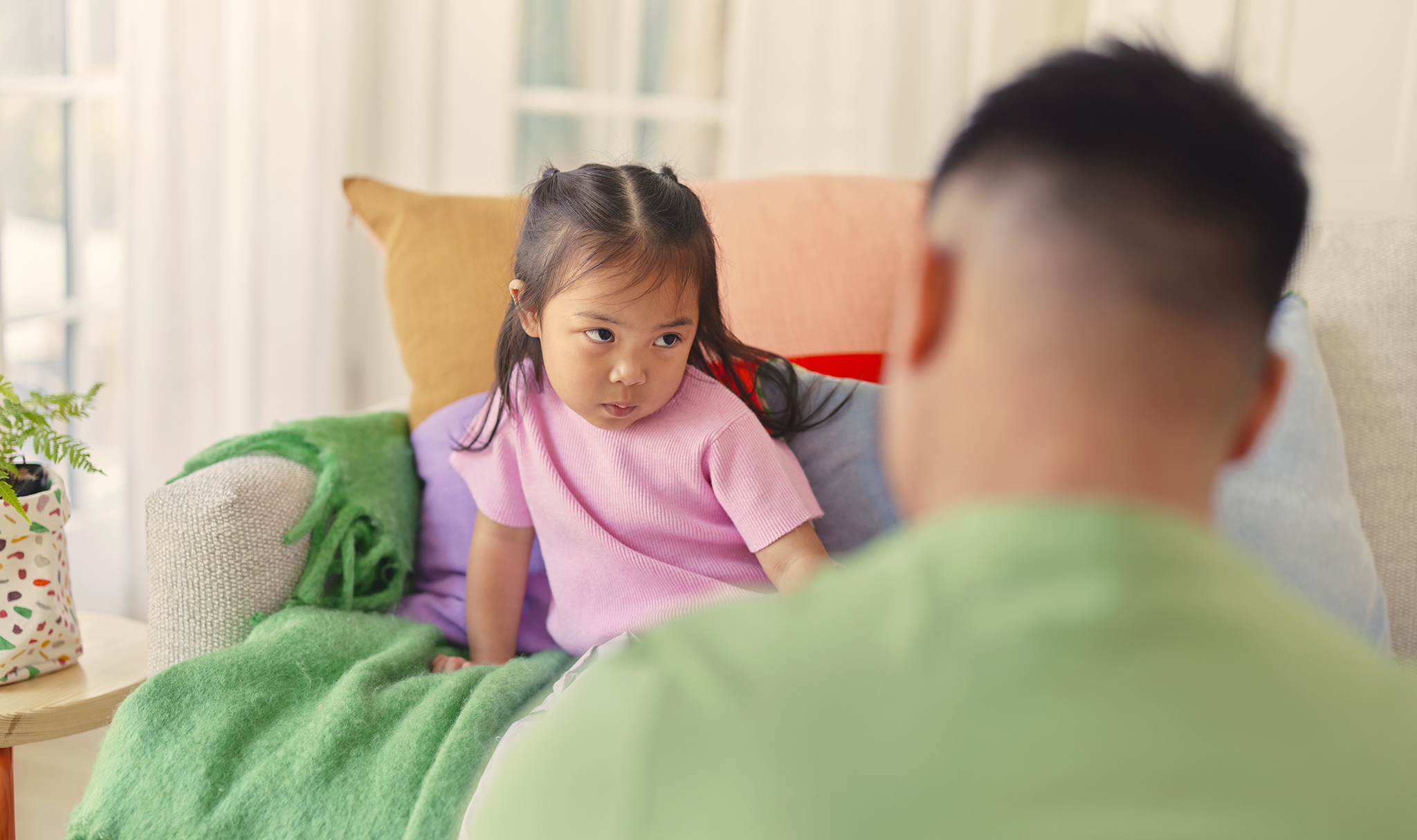
At age 2, your child isn’t making a conscious decision to whine—it just happens. They only have so many ways to get what they want and whining gets your attention 🙃 Research shows that parents respond more strongly to whining than they do to nearly any other sound, including crying and screaming. But being more intentional about how you do that can help your toddler learn better ways to get your attention.
Here are a few ways to get ahead of your child’s whining:
Notice patterns
Does your child’s whining tend to happen at certain times of day or when they’re hungry, overstimulated, or tired? A snack, some quiet play, or an earlier bedtime could reduce the underlying issues that often lead to whining.
Listen
Your 2 year old loves your attention, so phone calls, adult conversations, or other tasks you’re trying to get done can be common triggers for whining. The key is to let your child know that you do care what they have to say—without making the whining an effective tool for them. Try saying, “I can tell that you want my attention. As soon as I’m done here, I’ll be ready to listen to you.”
Teach them another way to ask
If your child whines often, try getting down on their level and saying, “Let’s practice asking again in your strong voice.” Model a calm, clear request: “Mama, can we play?”
After they’ve had some practice, remind them of what to do the next time they whine: “Oh, that voice hurts my ears. Can you try again with your strong voice? What do you need?”
If your child is whining for something specific that you don’t intend to give them, try to answer kindly but firmly and stick to your response—even if they stop whining. Insisting they ask in a different way will quickly show them that their strong voice doesn’t actually work 🙃
Remember that most children whine
Whining is extremely common. It may be hard to take comfort in this when your child whines often or in public, but their behavior isn’t a reflection of their disposition or your parenting. It’s a common stage of child development. With a calm and caring response, you’ll likely hear less whining over time ❤️
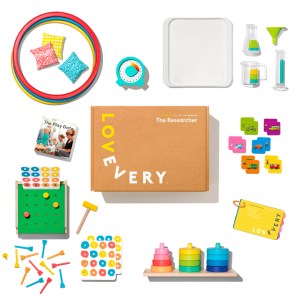
The Researcher Play Kit
The Researcher Play Kit encourage your two-year old child’s persistence, focus, and trail-and-error exploration as they develop STEM skills supporting their executive functioning.

The Play Kits
The Play Kits by Lovevery are thoroughly tested, baby safe, eco-friendly and Montessori inspired. Give your child the best start with our stage-based play toy subscription boxes.
Learn more about the research
Chang, R. S., & Thompson, N. S. (2010). The attention-getting capacity of whines and child-directed speech. Evolutionary Psychology, 8(2), 260-274.
Sokol, R. I., & Thompson, N. S. (2011). Whines, cries, and motherese: Their relative power to distract. Journal of Social, Evolutionary, and Cultural Psychology, 5(2), 131.

Keep reading

2-year-old
31 - 33 Months
Screen time can be confusing for your toddler. Here’s why and what to do.
Screen time is a reality for many families at this age. While there’s no harm in putting your 2-year-old in front of the TV for an episode of an age-appropriate show, research shows they still can’t understand much of what they see.

2-year-old
31 - 33 Months
Why construction play matters—and how to do it
Did you know that young children who engage in a lot of construction play—using materials to build or create—tend to have stronger math skills later on?
2-year-old
31 - 33 Months
5 tips for raising a resilient child
Protecting your child from disappointment is a natural instinct—especially when you’re trying to avoid a meltdown 😉 But there’s value in giving them space to work through challenges on their own.