

DIY spice paints, nature soup, and more ways to explore smell

A lot of sensory activities focus on texture, temperature and other tactile properties. Here are a few ways to incorporate smell into your two-year-old’s sensory play.
DIY Spice Paints
DIY Spice Paints are a unique, multisensory way for your two-year-old to make art.
You’ll need:
- Water
- Small bowls or cups for mixing the paint
- A few spices of different colors
Choose spices with concentrated pigments like turmeric, paprika, nutmeg, tandoori, cinnamon, and matcha.
To make the paints:
Put a tablespoon of the spice into a small bowl or cup and add just enough water to make a paste. The amount of water you add may vary from spice to spice based on the texture and how translucent or opaque you want your paint to be.
Note: some spice powders can stain, so consider protecting clothes and surfaces before you start.
Coffee Bean Sensory Bin
Setting up this sensory bin for your two-year-old is just like setting up a rice, lentil, or pinto bean bin. Pour the coffee beans into a large shallow container and add scoops, tweezers, and a scale.
If the smell of the coffee is too strong for either you or your child, consider other scented sensory bins: you can add lavender to lentils, lemon zest to rice, or a drop of your favorite essential oil to some water.
Always keep a close eye on your child while they play with these bins, especially if they’re still likely to put things in their mouth.
Nature Soup
Before you start, collect aromatics like flower petals, rosemary, orange peels, and garlic cloves.
Combine your ingredients in a large mixing bowl or sensory bin. Then invite your child to pour the water from a pitcher into the container and start stirring with a whisk or slotted spoon. The more mixing you or your child does, the stronger the smell.
Some two-year-olds are beginning to engage in more pretend play; follow their lead if they invite you to help them “serve” or “cook” the soup.
Cut and Compare Fruits
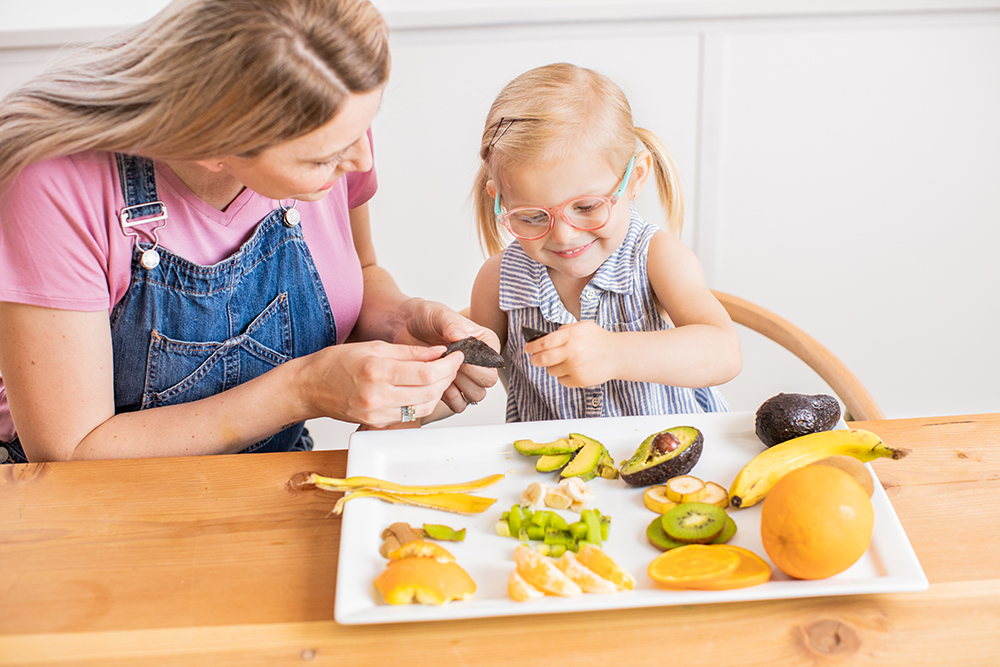
Start by smelling whole and cut up fruits and compare them with your child. Are some of the fruits easier to smell than others? A peach, for example, smells stronger than an apple. Consider buying a few types of fruit you don’t usually eat to explore at home.


Keep reading

2-year-old
25 - 27 Months
28 - 30 Months
How music can help your child develop impulse control
Musical play can help children practice turn-taking and following directions.

25 - 27 Months
28 - 30 Months
31 - 33 Months
34 - 36 Months
Is your 2-year-old ready for logical consequences?
If your child throws rocks at the playground, what should you do? One option is to clearly say, “Those rocks can hurt someone. Let’s find something else to throw.” This is known as a logical consequence—an outcome caused by a child’s behavior but determined by an adult. At this age, logical consequences are about helping … Continued
22 - 24 Months
25 - 27 Months
28 - 30 Months
31 - 33 Months
34 - 36 Months
Our favourite birthday and holiday gift ideas for 2-year-olds
These fun gift ideas for 2-year-olds support their motor skills, independence, and creativity.