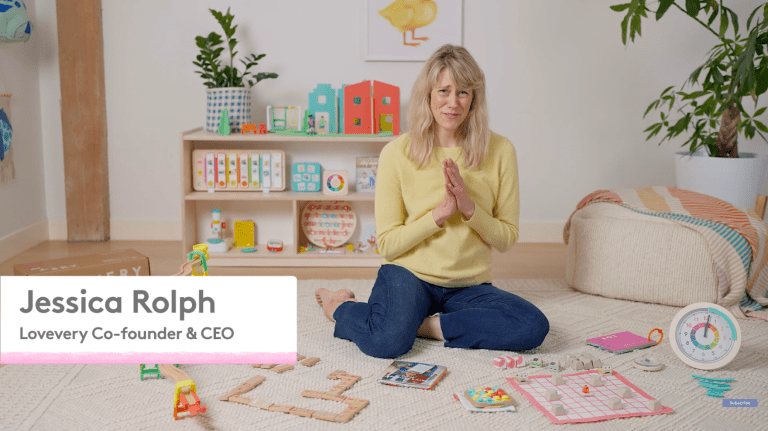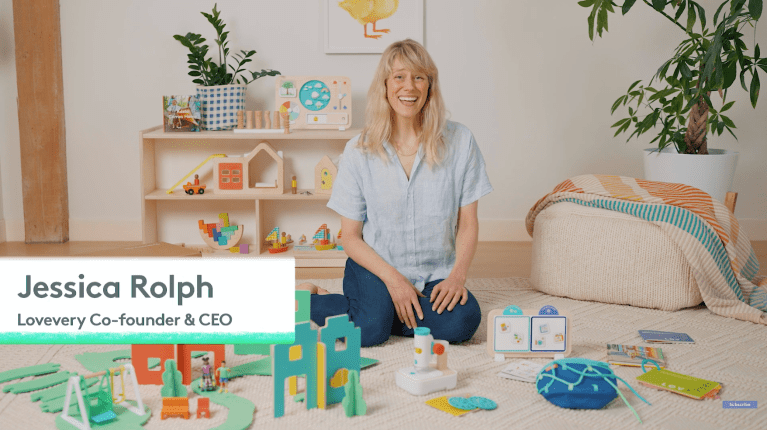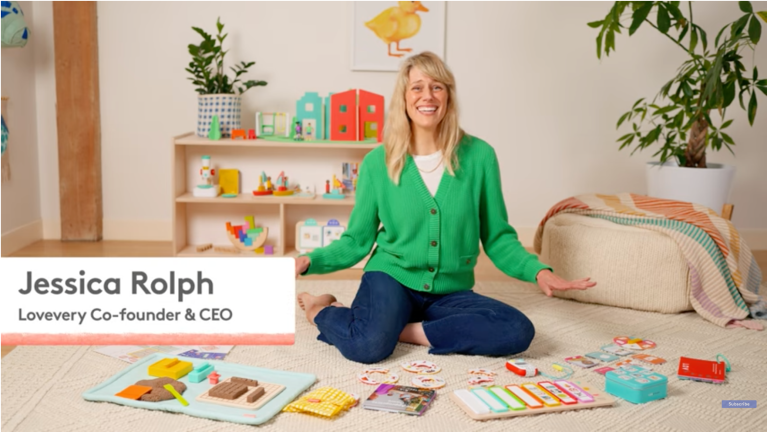
Welcome to The Planner Play Kit for 4-year olds
The Planner Play Kit taps into your child’s growing awareness and offers ways to practice thinking ahead. Through play, your child learns to map out a sequence of steps to reach their goal.
The Connector Play Kit focuses on flexible thinking, an executive function skill that allows your child to investigate, solve problems, and adapt to change. Everything within this Kit is designed to provide fun ways for your child to practice this crucial skill.
The playthings in The Examiner Play Kit are designed to facilitate critical thinking by making abstract concepts more concrete. Through games and useful tools, harder-to-grasp ideas like empathy, time, and math are broken down in ways that make these tough concepts fun to learn.
The setbacks and challenges that come with learning are frustrating. See how The Persister Play Kit offers helpful tips and activities on managing frustration and ways to extend learning.
Development in 4-year–olds looks different than the “wow” moments your child experienced the last few years. See how they're ready to learn other life skills critical for their success in school and beyond.
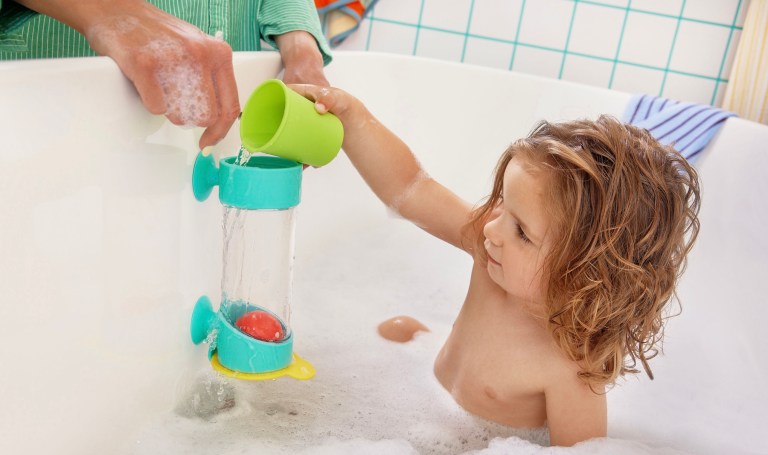
When it’s just you and your child, face to face, bathtime becomes a natural opportunity to connect, play, and develop your baby’s brain. And The Bath Set includes thoughtfully designed tools for building new language, cognitive, and fine motor skills.
Sensory play holds a special fascination for children, which is why we designed the Real Life Play Kitchen to include running water.
Musical play can help children practice turn-taking and following directions.
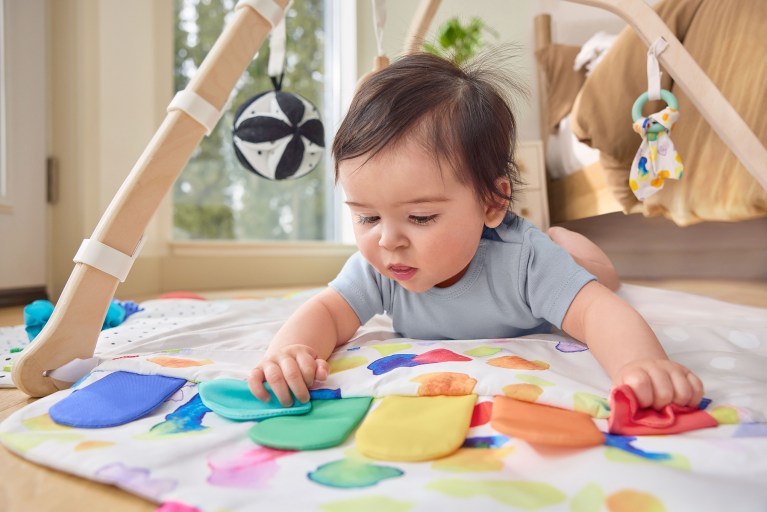
After numerous play studies, weeks of in-home testing, and thousands of customer surveys, we are excited to announce updates to our award-winning Play Gym, now designed with even more developmental support for your baby.
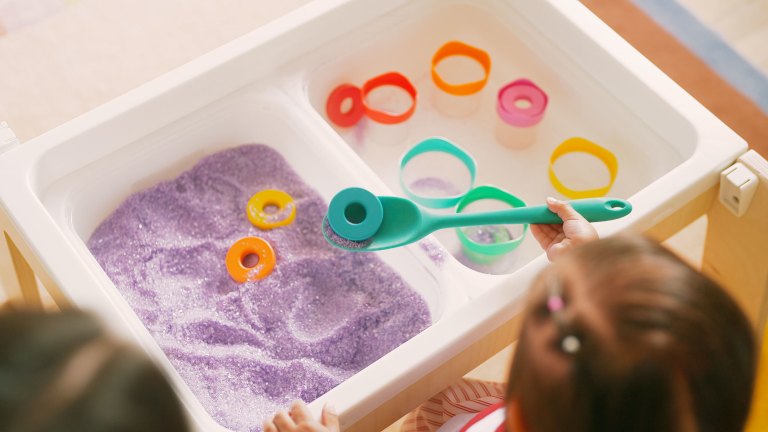
Sensory activities engage the body and mind in a way that builds critical neural pathways. Here are some sensory activities with varying levels of messiness.
A lot of exciting language development happens between your child's second and third birthdays. Here's what you can expect now in terms of language development.
Your two-year-old is likely starting to demonstrate more awareness of environmental sounds. Here's how you can help them tune into sound.
Many sensory activities focus on texture, temperature and other tactile properties. Try these ways to incorporate smell into your two-year-old’s sensory play.
Pom poms are a fun way to help develop fine motor skills and dexterity, and a great addition to sensory play. Try these quick and easy activities with your child.
Keeping your baby clean matters to most parents, but getting messy can teach important skills. Here are some fun ideas for messy sensory play.
Water and ice teach your baby that some things stay the same, while others transform. Here are some fun ideas for water and ice play.
Your baby is learning to use a pincer grasp to pick up objects. Learn why puff snacks can be your baby's favorite (safe) way to practice their new motor skills.
In order for any of your child's individal senses to give them meaningful information about the world, they need to be linked in the brain—this is the case for getting messy.
By mouthing objects, your baby builds a solid foundation for speech and sensory development. Find out what is safe for your baby to mouth.
Combining tummy time with sensory play introduces your baby to different sights, sounds, and textures. Here are 4 great sensory play ideas for right now.
Your newborn baby explores the world by tracking sights and sounds. Here are Lovevery's play ideas to support your baby's tracking skills.