

What first-year teachers wish parents would do to help their children learn to read
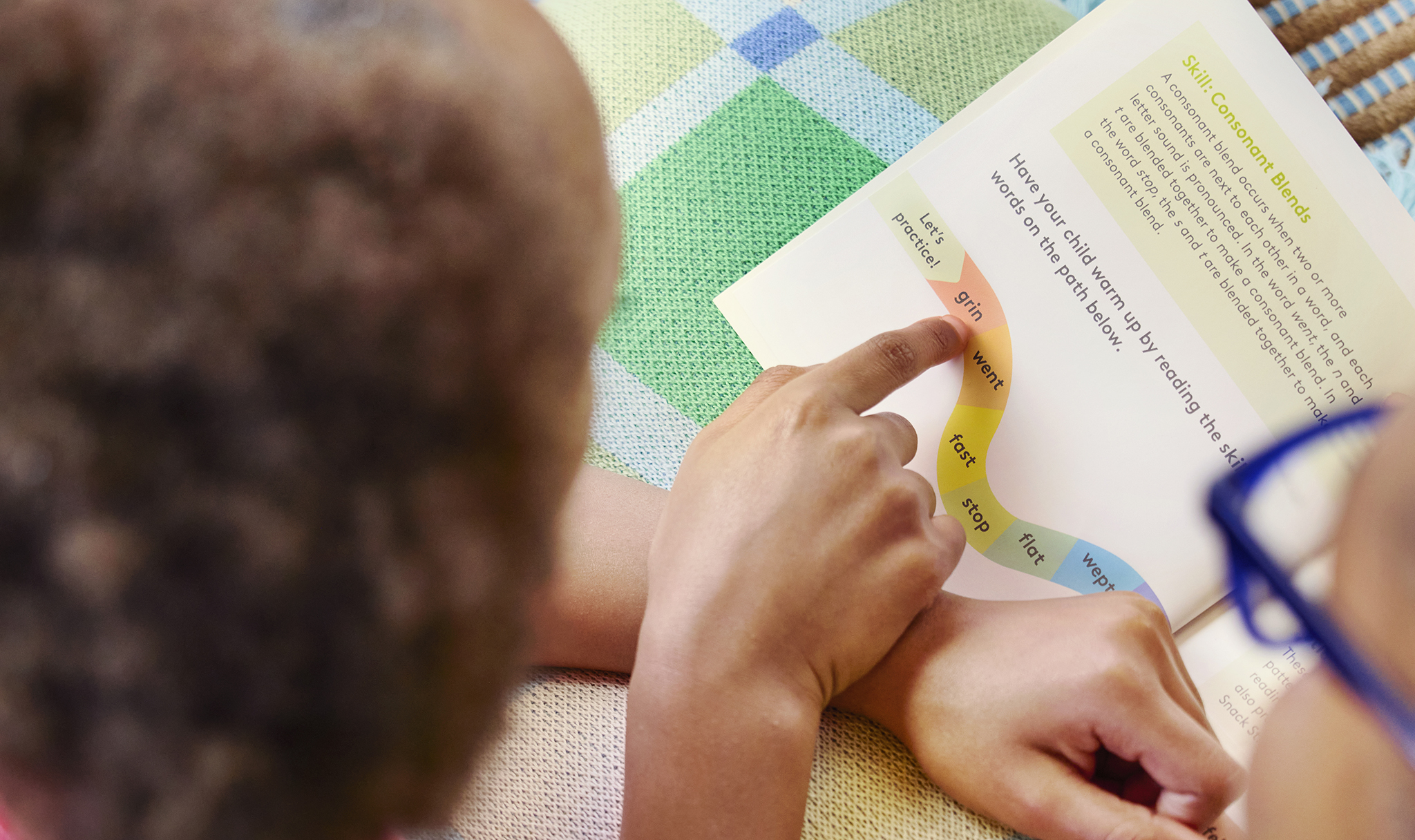
There isn’t one specific age at which every child learns to read, but Year 1 is often when it starts to “click.” This is the stage when many children begin reading books appropriate for their level with a degree of fluency.
So what does it mean to be a fluent reader? Broadly, fluency is the ability to blend sounds quickly and accurately, recognise familiar words at a glance, and understand what a text means. It’s a process – not a moment – and it can begin with you at home, well before your child steps into a classroom.
You don’t need to be a teacher or literacy expert to support your child’s early reading development. We spoke with Lovevery experts – including former teachers – to gather their most helpful advice.
Help your child fall in love with reading
Reading is challenging, and many children go through phases of resistance while learning. One of the best ways to prepare for these moments is to help your child enjoy reading from the start.
Let your child choose their own books – and read them over and over again
Allowing your child to follow their interests empowers them and shows that you value their choices. Try to remain curious and supportive of their selections – even if they choose a book they don’t yet fully understand, or one that wouldn’t be your first pick. 🙃
Something special happens when your child finds a book they love. You can see them engage with it – they might flip through it on their own, carry it around, or fixate on a favourite page. And they’ll almost certainly ask you to read it again and again.
That’s one of the best things you can do for your child, though it might test your patience at times. Here are a few ways to keep it fresh:
- Take turns reading pages. Once your child has heard a book many times, they’ll likely memorise some favourite parts. You can invite them to finish your sentences – especially in rhyming books.
- Ask them to find a specific page. Before you begin, say something like, “Can you find the part where Maria goes down the slide?” This type of searching helps them practise a key early literacy skill with a book they already know.
- Ask questions that go beyond the text. In addition to straightforward questions like “What happens next?”, try ones that require more thought: “Why does Dr Helen show Olivia all of her dentist tools before using them?”
Think beyond the alphabet song
Learning the alphabet is a proud milestone for many children, and reciting the sequence is a valuable skill. But to become readers, they’ll need to recognise the shape and sound of each letter – not just its name.
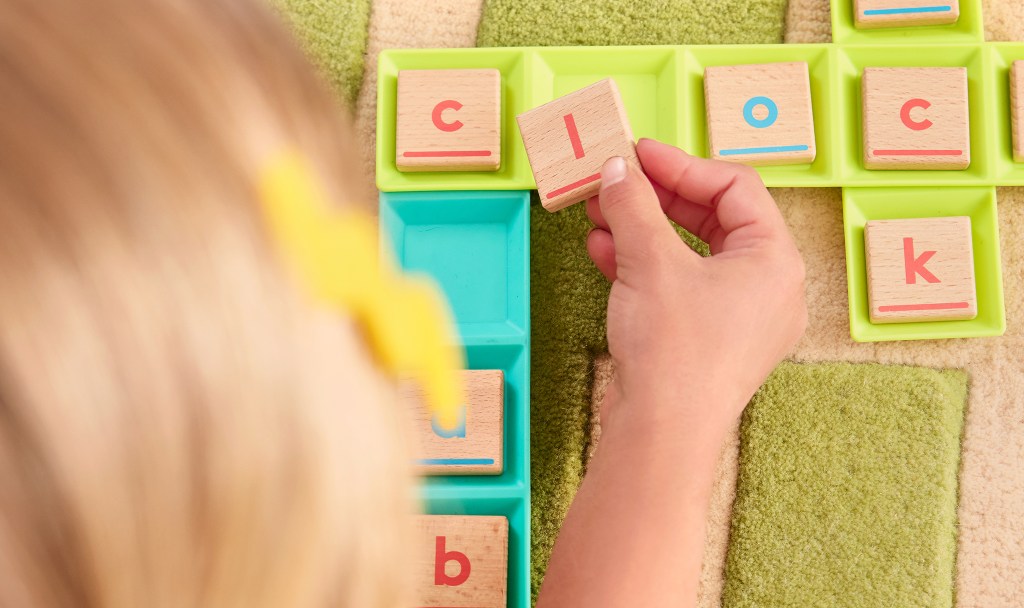
Start with lowercase letters and their sounds
Uppercase letters don’t always match their lowercase forms. Capital letters are usually easier to read and write, but most of the letters your child sees in books will be lowercase. Introduce letter shapes by writing each lowercase letter large on a sheet of paper and inviting your child to trace it with their finger.
That’s why The Reading Skill Set introduces lowercase letters first. The Movable Alphabet presents them out of order, encouraging children to learn letter shapes rather than relying on alphabetical sequence.
To recognise a letter, your child also needs to know what sound it makes. These individual sounds are called phonemes – the smallest units of sound. They can be made up of single letters (like the /b/ in “bat”) or letter combinations (like the /ch/ in “chair”). Isolating these sounds can be tricky and requires time and practice. Start with the first sound in a word – it’s usually the easiest to identify.
The ABCs With Mr. Z is a story about students on a scavenger hunt around their classroom, searching for items that start with specific letter sounds. Each letter page shows illustrations of objects beginning with the same sound. Invite your child to name as many as they can. The S page, for example, features a desert scene with snakes, sand, and sunshine.
Practise storytelling
Oral language development is another key component of early reading. Your child is already a storyteller – they practise every time they recount something that happened during the day. Supporting this helps your child internalise story structure. Research shows that children who understand how stories work tend to be stronger readers.
Practise sequencing and storytelling with wordless picture books
Understanding that a story has a beginning, middle, and end might seem basic, but it’s an essential reading skill. Reinforce this by using sequence words intentionally: “First, we went to the park. Next, we had a picnic.”
You can also ask questions about their day to get them thinking about sequence: “What did you do first after I dropped you off? What did you eat for lunch in the middle of the day? What was the last thing you did before I picked you up?” It’s okay if their answers don’t match yours – the goal is to get them thinking and talking.
Wordless picture books – like Sita’s Hike to the Beach – are another great way to engage your child with reading. Retelling a wordless story builds vocabulary, language understanding, and awareness of story structure. Encourage your child to describe what they see and narrate the story in their own way – this supports inference, the ability to draw conclusions from clues in a story rather than from what’s explicitly stated.
The Story Order Cards in The Reading Skill Set are purposefully presented out of chronological order so your child can determine the correct sequence. There’s an answer key, but it’s more important that your child tells you their version of the story than that they get the order “right.”


Posted in: 4 - 11 years, Language & Communication
Keep reading
3-year-old
4 - 11 years
Does The Maths Skill Set actually help children learn maths? A new pilot study says yes
The Maths Skill Set pilot showed playful, hands-on learning boosted children’s confidence and numeracy, while parents observed greater enthusiasm, motivation, and joyful engagement with maths.
3-year-old
4 - 11 years
How to help your child get off to a strong start with maths
Lovevery’s Maths Skill Set helps children build confidence with numbers through playful, hands-on learning rooted in everyday life. Developed with leading maths experts, the programme strengthens foundational skills such as number sense, addition, measurement and problem-solving. By connecting maths to real experiences, children learn why maths works and how to use it.

4 - 11 years
4-year-old
New research shows The Reading Skill Set boosts children’s confidence and reading progress
Lovevery's phonics-based program helps children learn to read through play.