

How toddler art helps build fine motor skills for handwriting

There’s a lot that goes into learning to write before your child ever picks up a pencil. Handwriting depends on hand strength, coordination, and precise finger movements. And many early childhood educators say children’s fine motor skills and hand strength aren’t as strong as they used to be.
Art is one playful way to help your toddler build those foundations. Scribbling, painting, and making marks give little hands practice developing the strength and control they’ll eventually use to hold and guide a pencil.
The Play Every Way Table offers many different ways for children to make art, from water painting on the tabletop to drawing on the vertical easel. As your child creates, the table’s specially designed tools and features encourage specific movements that help lay the foundation for handwriting. Here’s how:
Grip strength
Before your child can comfortably hold and control a pencil, they need strength throughout their hands. This develops through everyday sensory play – pushing, pulling, scooping, pouring, squeezing.
The Strong Hands Water Pen, included with the Play Every Way Table, also encourages your child’s thumb and index finger to open as they grasp it, strengthening the webbing in between – an important foundation for holding a pencil later on.
Pair the Water Pen with the reusable Water Painter Sheets for plenty of opportunities to paint and make marks. And no matter how your child plays at the table, they’re strengthening the small muscles of their hands while engaging their arms, shoulders, and core at the same time.
Precise finger control
Strong, precise finger control supports everyday skills like drawing, using utensils, buttoning clothes, and eventually writing. As your child’s hands get stronger, they need opportunities for their thumb and fingers to work together with increasing precision.
Doing artwork on both a flat tabletop and a vertical surface allows your child to naturally change the position of their hands and wrists. Practising controlled finger movements in different positions helps them develop steady, confident hands.
Peeling a magnet from the Play Every Way Table’s magnetic surface also requires their thumb and fingers to work against resistance, building dexterity for early handwriting and other fine motor tasks.
Wrist extension and control
A strong, stable wrist gives your child’s fingers the support they need for precise, controlled movements. Drawing and painting on the Play Every Way Table’s vertical easel encourages wrist extension and finger movement. Lifting the wrist helps isolate the fingers for more precise control, engaging the small muscles that support a proper pencil grip and smooth, controlled movements.
Working vertically engages more than their hands. It also activates their core muscles and requires them to coordinate both sides of their body. Strong core muscles and good body positioning give the hands a more stable base for precise fine motor work.
Building skills through art
Scribbling, painting, and making marks through play naturally build the hand skills your child will eventually use for writing. Providing opportunities to explore different types of art lets them practise grasping a utensil, stabilising their wrist, and refining their movements.
Rotating art activities and materials in and out – much as you might rotate toys – can give your child fresh inspiration to keep using their hands in new ways. And if they keep coming back to a favourite activity, follow their lead. The goal isn’t a perfect picture or a particular skill mastered on schedule. For your toddler, it can simply feel like creating and playing ♥️


Keep reading
18 - 48 Months+
Getting started with sensory play: Easy ideas for toddlers, pre-schoolers & up
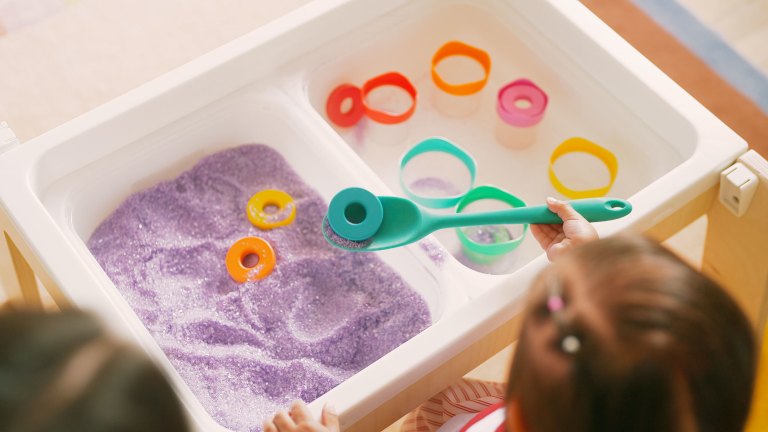
Sensory play doesn't have to mean lots of prep and a mess. With everyday materials, a sturdy tub and a theme your toddler loves, it's easy to get started. Try three age-based sensory bin ideas from the Play Every Way Table's Sensory Play Ideas guide, plus tips for an easy clean-up.
18 - 48 Months+
How toddler art helps build fine motor skills for handwriting
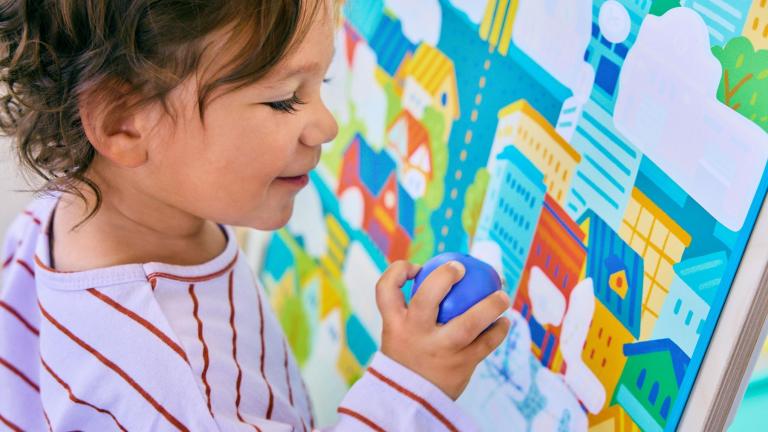
Long before your toddler picks up a pencil, they're building the hand strength and control writing requires. Art is a playful way to get there. From water painting to drawing on a vertical easel, the Play Every Way Table encourages grip, finger precision and wrist control that lay handwriting's foundation.
18 - 48 Months+
What to look for in an activity table
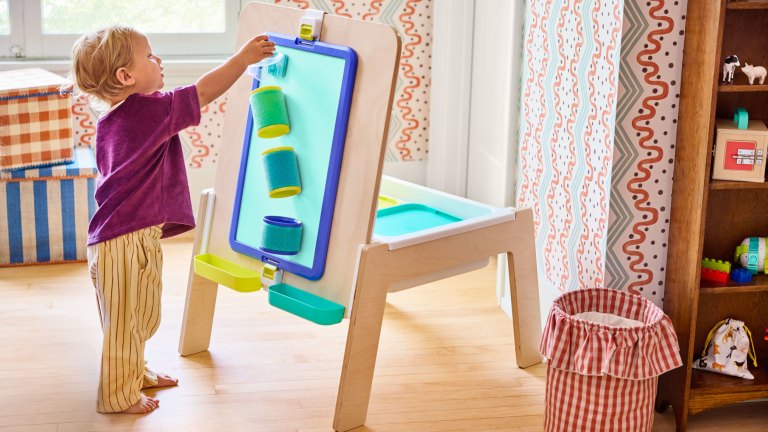
With so many kinds of activity tables, how do you choose one your child won't outgrow? Look beyond their current interests. Here are six things to consider, from versatile play modes and adjustable height to accessible storage and fresh ideas, so your child can keep playing and growing for years.