

Getting started with sensory play: Easy ideas for toddlers, pre-schoolers & up
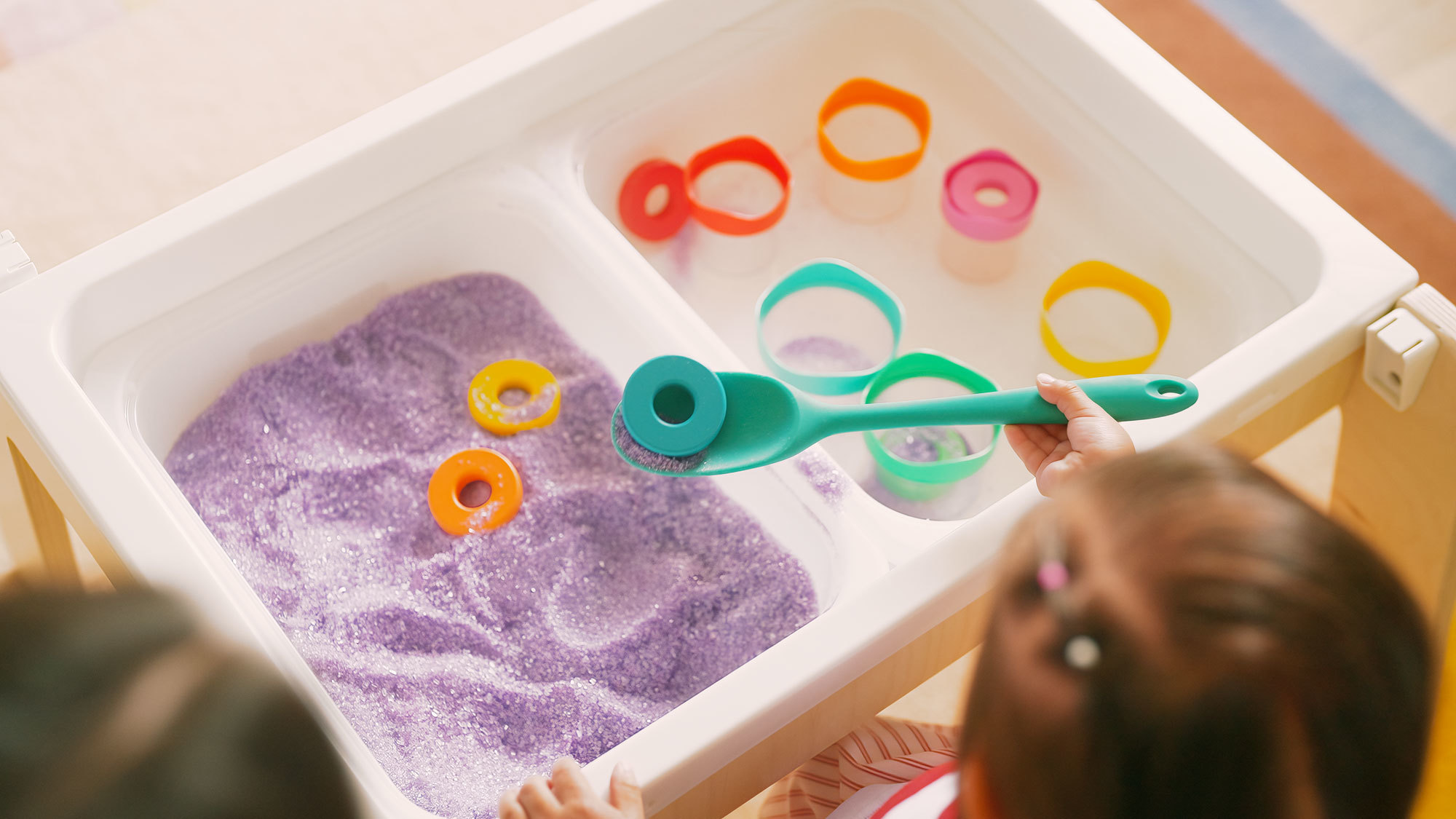
Maybe you’ve seen sensory play ideas on Pinterest and thought, That looks fun, but also like a lot of prep and clean-up 🙃 Sensory play for toddlers doesn’t have to be complicated, though. With a few simple materials and a little inspiration, getting started can be easier than you may think.
No matter how much time you put into a sensory activity, there’s a lot your child can get out of the experience. Exploring different materials and using a variety of tools can help develop hand strength and fine motor control.
And when your child is totally into a particular theme, like construction vehicles, animals, or ice cream, putting together a sensory bin that taps into their interests can make the play even more engaging and fun ♥️
How to keep sensory play low prep and low mess
Start with what you have. Creating a sensory activity doesn’t have to require a special purchase. You can use everyday materials like porridge oats, polenta, or soil as a filler or base, then add a measuring cup or spoon for scooping and pouring. Or, simply gather a few playthings around a favourite theme, and let your child place and arrange them in a bin.
Contain the play. Using a sturdy bin can help keep sensory fillers and other materials contained. For some activities, you may want to place a washable mat or towel underneath the play area to make clean-up easier. And remember, not every sensory bin needs a filler – you can keep it simple with objects, toys, and tools.
Keep an activity around for another day. One way to make a little extra prep pay off is to reuse an activity your child enjoys. Store the materials together in a spare bin or bag so it’s easy to bring the activity back out for more play.
3 fun and easy sensory bin ideas by age
Knowing you want to try a sensory bin is one thing, figuring out what actually goes in it can be another thing entirely. The Sensory Play Ideas guide, included with the Play Every Way Table, has more than 100 age-based activities and sensory filler recipes that go beyond exploring different textures and provide opportunities to practise new skills your toddler or pre-schooler may be working on.
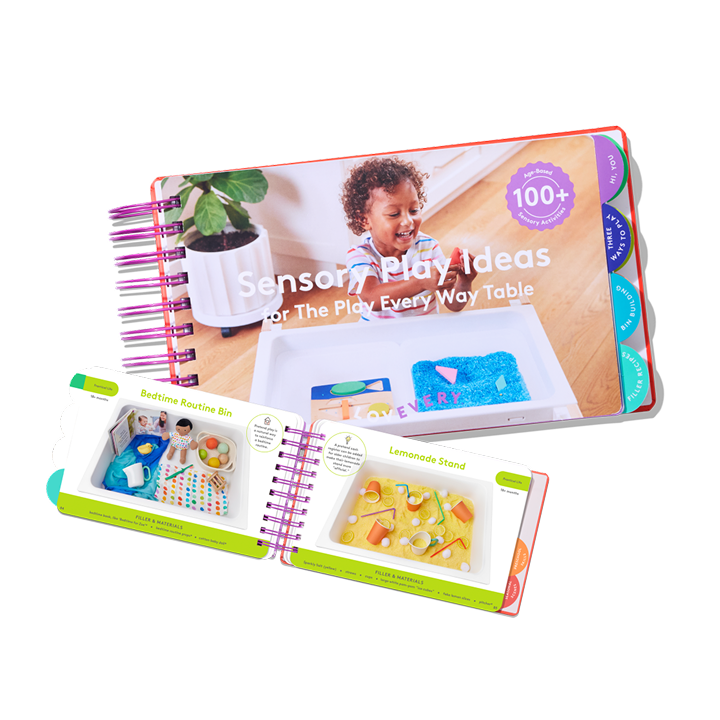
Here are three activities from the guide to try:
18+ months: Bedtime Routine
Place the Organic Cotton Baby Doll from The Thinker Play Kit, Bedtime for Zoe from The Babbler Play Kit, and bedtime routine objects like a toothbrush and soft blanket in a container. You can read the book together, then act out your child’s sleep ritual with the doll and other props. Pretend play is a natural way to reinforce a bedtime routine.
24+ months: Bake Me a Cake
Create a sensory base by mixing together bicarbonate of soda, sugar, cornflour, cream of tartar, water, and food colouring to make Moulding Play Powder. Place it in a container with a birthday book like Graham Turns Two and birthday cupcake tools. Your child can scoop, whisk, and sift as they pretend to bake a birthday treat.
36+ months: Salt Writing
Make Sparkly Salt using coarse salt, white vinegar, and food colouring. Once it’s dry, place it in a sensory bin along with letters of the alphabet. This tactile activity helps build early letter formation skills.
You can find more easy and fun sensory activities in The Lovevery App.
Familiar materials, new ways to play
You don’t have to buy all new sensory play materials or keep dreaming up new activities every time your child reaches a new stage. What your child does with them can change instead.
Your 18-month-old might fill containers and empty them out. As they get older, they may start to scoop, transfer, and sort. At age 3 or 4, they may use the same materials to count, invent stories, or practise forming shapes and letters.
A new tool, purpose, or challenge may be enough to make familiar sensory materials feel new again, and the Sensory Play Ideas guide, included with the Play Every Way Table, has more than 100 of them ready to go whenever you need a fresh idea.
The Play Every Way Table can make it easier to come back to favourite activities, too. The two Sensory & Storage Bins are designed for prepping activities and include lids for easy storage, while the Sensory & Storage Bin Holder holds both bins and fits right into the table to catch spills and crumbs.

Note: Sensory play should always be supervised. Young children often explore materials with their mouths, and small fillers can pose a choking hazard. Don’t allow your child to eat sensory fillers, even when all of the ingredients are edible.

Keep reading
18 - 48 Months+
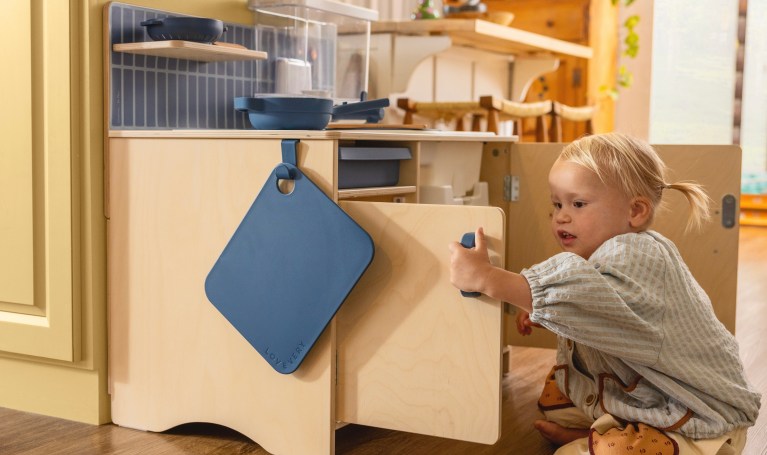
Introducing The Real Life Play Kitchen limited-edition Lovevery x Our Place collaboration
Real tasks or make-believe? With the limited-edition Lovevery x Our Place Real Life Play Kitchen, your child doesn’t have to choose. Rinse produce in the working sink, then “cook” it in a play-sized Always Pan. Discover six ways to use this Blue Salt kitchen for both real and pretend play.
18 - 48 Months+
Getting started with sensory play: Easy ideas for toddlers, pre-schoolers & up
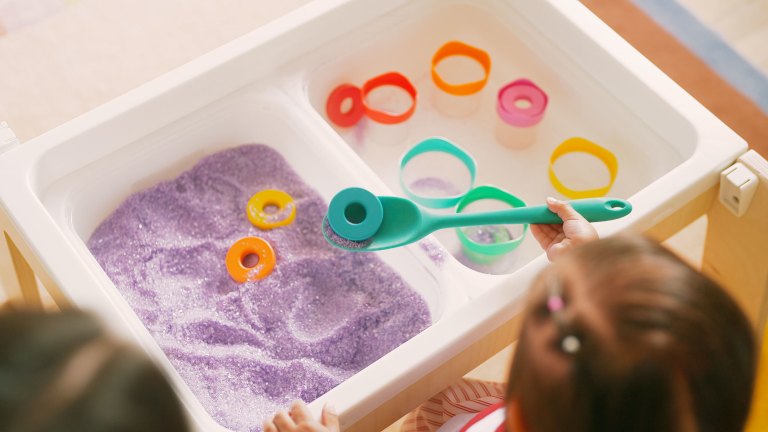
Sensory play doesn't have to mean lots of prep and a mess. With everyday materials, a sturdy tub and a theme your toddler loves, it's easy to get started. Try three age-based sensory bin ideas from the Play Every Way Table's Sensory Play Ideas guide, plus tips for an easy clean-up.
18 - 48 Months+
How toddler art helps build fine motor skills for handwriting
Long before your toddler picks up a pencil, they're building the hand strength and control writing requires. Art is a playful way to get there. From water painting to drawing on a vertical easel, the Play Every Way Table encourages grip, finger precision and wrist control that lay handwriting's foundation.